
Google’s multiturn ads in AI Mode have moved from announcement to something you can see. Search Engine Roundtable tested AI Mode on Friday, November 6, and found sponsored ads in the answers to follow-up questions — not just the first answer, but the third and fourth follow-ups too. A summary of the sighting was refreshed on November 17.
Read that carefully. What was seen is a limited US test, spotted by one tester and confirmed by Google only in the narrow sense that the format exists and is being tested. Nobody outside Google knows how widely it shows, how often, or how it performs. This article sticks to what was seen, explains why follow-up questions matter, and sets out what advertisers should test — and why, for readers in Pakistan, the right move is to watch, not act.
Key Takeaways
- Multiturn ads are sponsored results that can appear in AI Mode’s answers to follow-up questions, not only the first.
- Barry Schwartz of Search Engine Roundtable saw them live on November 6, including on third and fourth follow-ups; Google confirmed the format on November 9.
- A limited US test, not a rollout: one tester’s screenshots do not show how widely the ads appear.
- Multiturn ads are US-only. In Pakistan, AI Mode ads are text ads only — no multiturn inventory to buy.
- Existing Search, Shopping and Performance Max campaigns are automatically eligible, with no separate opt-out — so preparation is about creative, match types and measurement, not a new campaign type.
What Are Multiturn Ads in Google AI Mode?
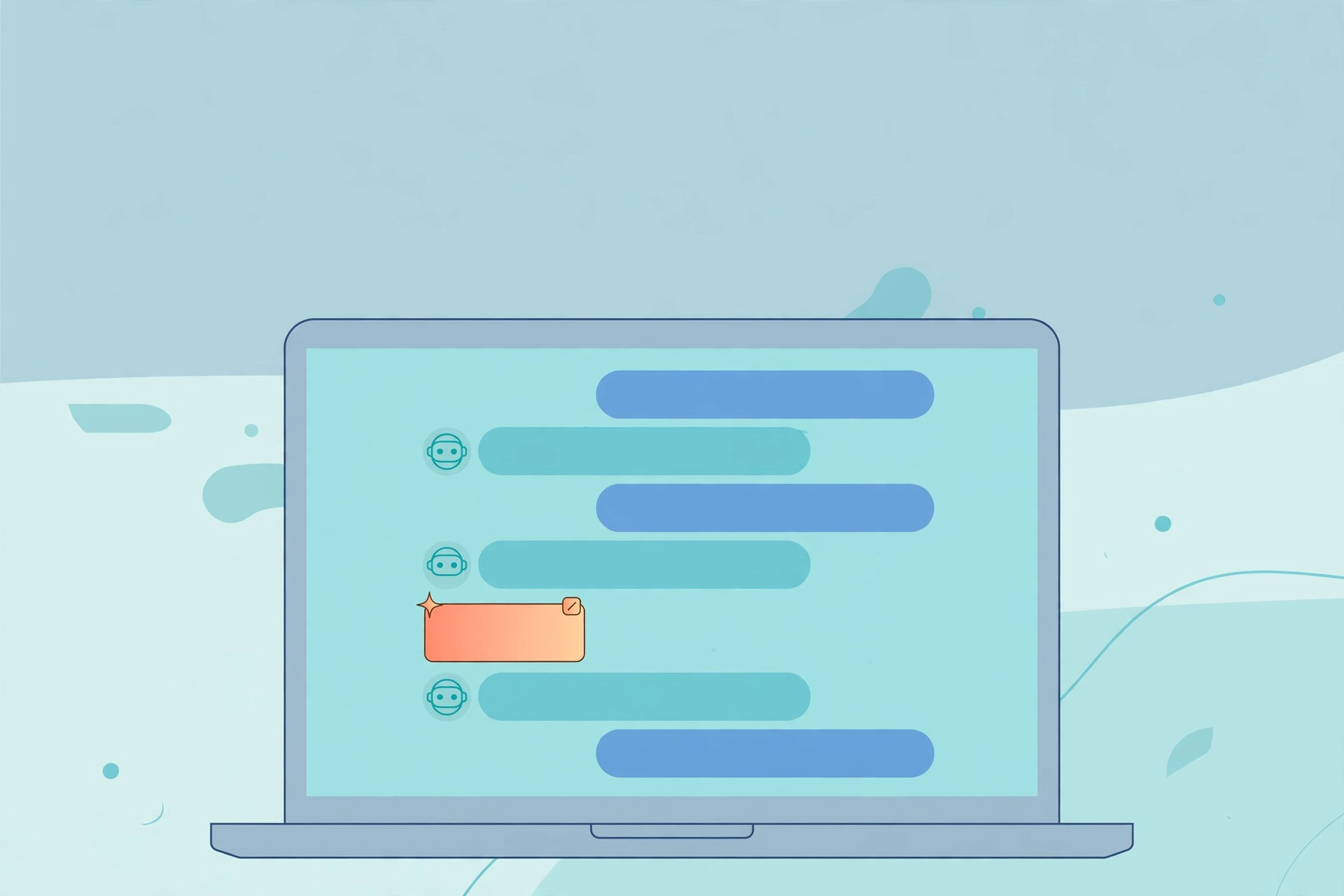
Multiturn ads are Google ads that can appear on follow-up questions inside an AI Mode conversation, not only alongside the first answer. A shopper might ask for running shoes for flat feet, then which ones handle wet weather. Until now, the ad opportunity sat mostly with the first question; multiturn ads extend it to the answers that follow.
Google announced the format on October 28, 2026, in a short post on its Ads and Commerce blog by Shashi Thakur, who leads Google Search Ads, saying it was launching multiturn ads in the United States “to allow ads in follow-up queries in AI Mode.” The same post announced ads in AI Mode scaling to ten more countries, including Pakistan; Brazil, Mexico and the United Kingdom are planned for the fourth quarter of 2026.
Two things in that announcement are easy to mix up. The expansion to ten countries covers ads in AI Mode generally; the multiturn format is separate and US-only. Google’s help page lists multiturn ads for the United States and no other market. So when you read that multiturn ads are “live,” the accurate version is live in the US, in testing, for some users.
What Did Search Engine Roundtable Actually See?
On Friday, November 6, Barry Schwartz of Search Engine Roundtable tested AI Mode himself and found the ads live, capturing screenshots and video. Sponsored placements appeared below the second response, and more ads showed up under the third and fourth follow-up responses. Search Engine Land reported the sighting on November 9.
The details are modest, and that modesty is the point. In Schwartz’s test, two “Sponsored” ads appeared at the bottom of follow-up responses, below the answer rather than above it. Google confirmed the format to Search Engine Roundtable, saying multiturn ads “show up on responses to follow-up user queries as users engage in back-and-forth conversations with AI Mode,” that ads “will be clearly labeled as ‘Sponsored,'” and that Google will “continue testing new formats to ensure ads remain helpful and relevant.”
The test did not establish how often these ads appear, how many can show per turn, which advertisers were involved, or whether they performed well. One tester’s afternoon proves the format exists and serves real users — not evidence of scale, and not a performance claim. Sayu, which refreshed its summary on November 17, put it plainly: screenshots from one tester can reflect a limited trial, so it is too early to call this a full rollout.
Is This a Rollout or a Test?
It is a test, and Google’s language says so. Its confirmation to Search Engine Roundtable ended with a promise to keep testing new formats — the language of a product being shaped. The October 28 announcement said “launching” for the US, but a Google launch can mean a gradual appearance for some users, not a switch flipped for all.
Two more reasons this is early days. First, the sighting is now more than a week old, and no second wave of reports has pinned down how widely the ads are showing. If they were serving to most US users, testers would be tripping over them daily; instead, the public record is still one test plus a handful of related sightings. Second, Google is testing several AI Mode ad ideas at once. On November 4, Search Engine Roundtable reported a single AI Mode answer seen carrying four ads, from a screenshot shared by another search marketer. On November 12, SEO consultant Glenn Gabe posted screenshots of a sponsored pack of products from local retailers beneath an AI Mode answer. These are separate sightings, not parts of one announcement — each a reminder that what appears in AI Mode today is an experiment in progress.
Why Do Follow-Up Questions Matter to Advertisers?
Follow-up questions are where a search stops being a query and starts being a conversation, and conversations reveal intent that single searches rarely show. Google’s May 2026 AI Mode report said AI Mode queries run three times longer than traditional searches. People narrow, compare, ask about price and delivery — and each turn adds a detail about what they want.
That is why an ad on the third or fourth turn can be more interesting than an ad on the first. The first question is often broad — “best running shoes for flat feet” — while the follow-ups are where the decision sharpens: “which of these are waterproof?”, “what do they cost?”, “where can I get them this week?” An ad there reaches someone who has already done the broad research and is closer to choosing — at least, that is the theory. Google’s May 2026 report also said US follow-up questions were growing by more than 40% a month on average, but whether follow-up ads convert better, worse, or about the same as first-answer ads is something nobody can say yet: Google has published no performance data for multiturn ads.
AI answers are already a normal part of searching: in a check of 360 everyday UK searches in November 2026, Sayu found Google showing an AI Overview on 70.3% of them — one month and one set of searches, so a snapshot, not a universal rate. As search becomes more conversational, follow-up turns become a larger share of the moments when an ad can appear.
What Does This Mean for Advertisers in Pakistan?
For advertisers in Pakistan, the honest answer is: not much yet. Multiturn ads are US-only, with no date or plan announced to bring them to Pakistan. There is no multiturn inventory to buy here, no setting to switch on, and no test to join.
What is live in Pakistan is the broader AI Mode ads expansion. As we covered when it went live on November 15, ads in AI Mode now run here alongside nine other markets, with Pakistan listed as text ads only, in English. Advertisers with existing Search, Shopping or Performance Max campaigns can already appear inside AI Mode answers — automatically, whether they asked for it or not. The multiturn sighting matters only as a preview: the ad space inside AI answers is growing, and follow-ups are where it is growing next.
So the useful preparation is not multiturn-specific at all. It is the same work the November 15 expansion already demanded: keep your product feed accurate and complete; check that ad copy reads well beside an AI-written answer; and make sure landing pages answer the specific question the ad promises, because a visitor from a follow-up question has already narrowed their mind. None of that needs multiturn ads to exist in Pakistan — but all of it will matter more if they ever do.
Which Campaigns Can Show Multiturn Ads — and Can You Opt Out?
There is nothing new to set up, and nothing to switch off: multiturn ads run on campaigns advertisers already have. Search, Shopping and Performance Max campaigns are automatically eligible for AI Mode and AI Overviews, with no separate opt-out. In the US, ads can appear in follow-up answers when Google judges the conversation relevant; in Pakistan, they cannot.
Match types decide which campaigns can reach which turns. Exact and phrase match serve only on direct commercial queries — the short, explicit, buy-now questions. Longer, exploratory follow-ups are matched through broad match, AI Max and Performance Max, so the advertisers most likely to appear there are the ones already using broad matching or Performance Max.
Reporting is the weakest link. Google reports AI Mode and AI Overview performance in aggregate, with no view showing which conversational turn delivered an impression, a click or a conversion. There is no multiturn report and no per-turn breakdown — no way to see whether your follow-up impressions came from the second question or the fourth. Any testing plan has to work around that gap.
How Should Advertisers Test Multiturn Ads?
If you advertise in the US, treat multiturn ads as a test — not a channel to pour budget into. The format is unproven, the inventory is uneven, and reporting cannot tell you which turn did the work. Sayu’s advice, refreshed November 17, agrees: give the format a seat at the table and let proven campaigns carry the load.
First, decide what “working” would look like before you spend anything. The metric that matters is sales per visit, not clicks: clicks from a new ad space can look cheap, and a follow-up ad may attract people still researching rather than buying. Judge it on orders and revenue against spend, compared with proven search campaigns over the same days, with the same products and offers — comparing across different weeks will mislead you, because demand moves. Agree a fixed test budget in advance and do not top it up from your main campaigns.
Second, fix the inputs the format draws on. Follow-up questions are matched through broad match, AI Max and Performance Max, so your feed and creative matter more than any multiturn-specific setting. Check that product titles answer the questions people ask in follow-ups — waterproof, in stock, delivery time — and that landing pages answer the specific question. A visitor from a third-turn ad will not forgive a generic page.
Third, be sceptical of early numbers, including Google’s own. Google has said click-through rates for sponsored and organic product listings in AI Mode are similar — but that rests on its own internal US data from August 20 to September 3, 2026, covers product listings rather than text ads, and says nothing about multiturn placements. And a caution from another AI ad channel: an observational study found paid ChatGPT visits earned far less per visit than Google Search ads. That study measured ChatGPT, not Google, but it is a reminder that a new AI ad space can bring visits that turn into fewer sales than proven campaigns do. We covered that study in detail when it was published.
What Should You Watch Next?
Three things will tell you whether multiturn ads are becoming a real channel. First, geography: Brazil, Mexico and the United Kingdom are planned for AI Mode ads in the fourth quarter of 2026, but Google has said nothing about when — or whether — multiturn ads will follow, let alone in Pakistan. Watch the help page’s country list.
The second is reporting: the day Google lets advertisers see AI Mode performance split out — by placement, or by turn — is the day multiturn ads become testable in the normal sense. Until then, every conclusion is indirect. The third is ad load: the four-ads sighting on November 4 and the local retailer pack on November 12 show Google testing how much paid space an AI answer can carry. If answers start carrying more ads per turn, each placement is worth less — another reason to test small now rather than commit early.
Frequently Asked Questions
What are multiturn ads in Google AI Mode?
Multiturn ads are sponsored results that can appear in AI Mode’s answers to follow-up questions, not only the first. Google announced them for the United States on October 28, 2026, and they are labelled “Sponsored.” Search Engine Roundtable spotted them live in testing on November 6.
Are multiturn ads available in Pakistan?
No. Multiturn ads are US-only, with no date or plan announced for Pakistan. What is live here is the broader AI Mode ads expansion: text ads only, in English, since November 15, 2026.
Do I need to create a new campaign for multiturn ads?
No. Existing Search, Shopping and Performance Max campaigns are automatically eligible, with no separate opt-out while staying in Search. Exact and phrase match serve only on direct commercial queries; longer follow-ups are reached through broad match, AI Max and Performance Max.
Can I see how my multiturn ads are performing?
Not separately. Google reports AI Mode and AI Overview performance in aggregate, with no breakdown by turn. Judge any test on overall sales per visit against proven campaigns over the same period.
Is this a full rollout or a limited test?
A limited test. The sighting comes from one tester’s screenshots and video, Google’s confirmation was narrow, and Google says it will keep testing new formats. Too early to call it a full rollout.
Bottom Line
Multiturn ads are real, live in the United States, and still a test. What Search Engine Roundtable saw on November 6 — sponsored ads below follow-up answers, including the third and fourth — is the clearest evidence yet that Google intends ads to follow the whole conversation, not just open it. How widely they show, how often, or how well they perform is something nobody can say yet.
For US advertisers, the right response is a small, honest test judged on sales. For advertisers in Pakistan, it is to watch: keep feeds and landing pages sharp for the AI Mode ads already running here, and wait for Google to say something concrete before spending a rupee on multiturn. The evidence, not the excitement, will tell you whether this becomes a real channel or stays a curiosity.