
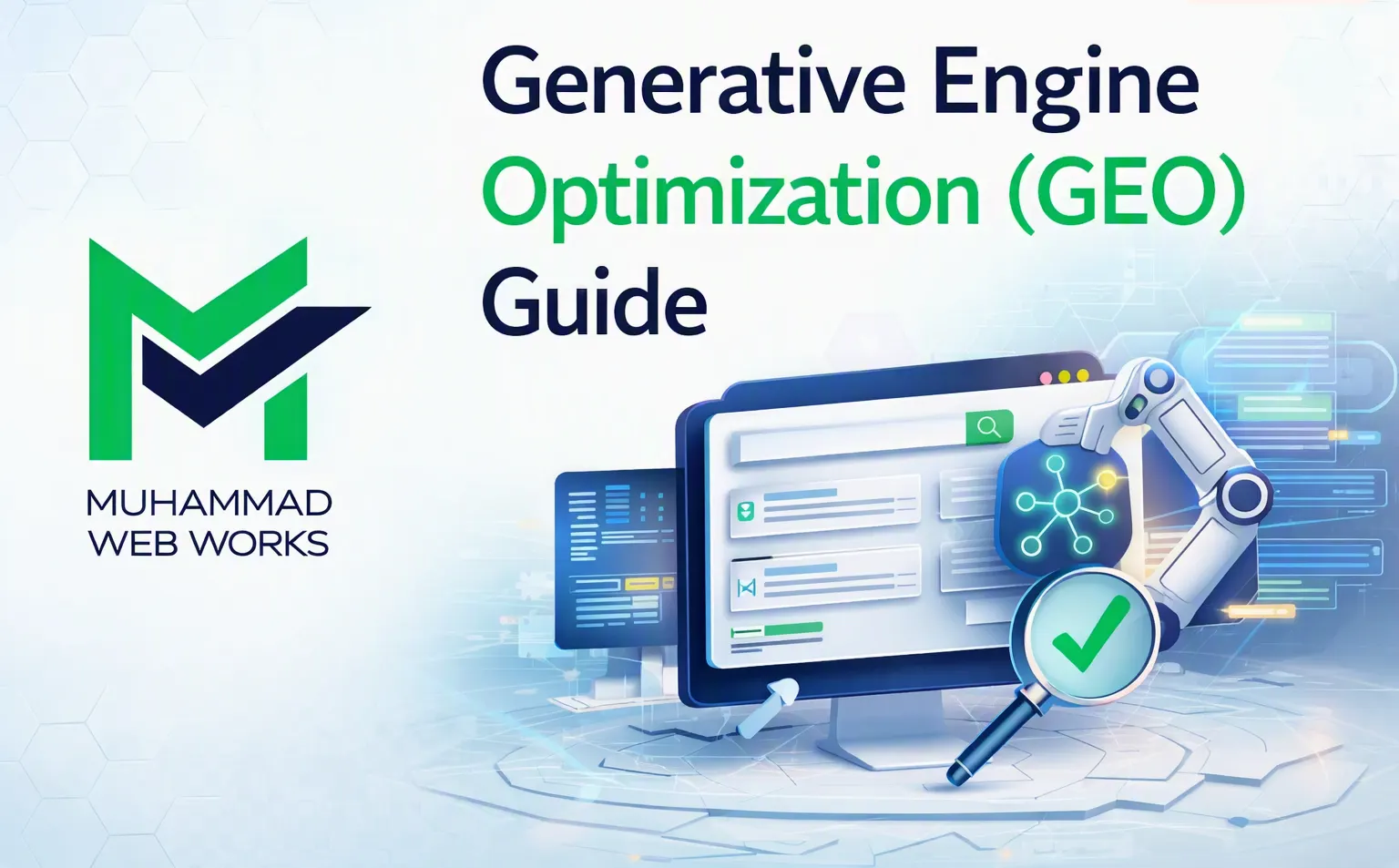
Search engines are no longer just indexing links; they are synthesizing answers. With the rollout of Google AI Overviews and the rise of conversational answer engines like Perplexity and ChatGPT Search, traditional SEO practices alone are no longer sufficient to guarantee visibility.
To remain competitive, brands must transition to Generative Engine Optimization (GEO)—the practice of structuring and optimizing content so large language models (LLMs) cite and feature your brand inside generative answers.
What Is Generative Engine Optimization (GEO)?
Generative Engine Optimization (GEO) refers to optimizing digital content to maximize citations, brand mentions, and placement within AI-synthesized responses. While traditional SEO focuses on driving traffic through organic blue links on search engine results pages (SERPs), GEO focuses on being the trusted source an AI model retrieves during its generation phase.
According to Moz’s analysis of GEO, generative models prioritize content with unambiguous structure, verifiable statistics, strong entity recognition, and recognized topical expertise.
GEO vs. Traditional SEO: Key Differences
| Feature | Traditional SEO | Generative Engine Optimization (GEO) |
|---|---|---|
| Primary Goal | Rank in top 10 SERP links | Get cited in AI answers & Overviews |
| Content Structure | Long-form keyword targeting | Information-dense, direct answer blocks |
| Core Signals | Backlinks, page speed, metadata | Brand entity signals, citation consensus, structured data |
| Primary Engines | Google, Bing | Google AI Overviews, Perplexity, ChatGPT, Claude |
How to Optimize for Google AI Overviews and LLMs
1. Adopt the “Answer First” Content Hierarchy
LLM extraction pipelines favor content that provides immediate, succinct answers to user questions before expanding into nuanced analysis. Begin sections with a 40–60 word factual summary that directly answers the primary target query, followed by supporting bullet points or structured tables.
2. Reinforce Brand Authority and Digital Footprint
Generative search tools evaluate external consensus. If third-party sources, industry directories, and reviews agree on your business details and industry authority, generative engines are significantly more likely to include your content. Partnering with a specialized team like Muhammad Web Works helps ensure your digital marketing and search footprint are structured for both traditional algorithms and generative discovery.
3. Ground Content with Verifiable Data and Citations
Research published by Semrush reveals that generative search algorithms heavily favor content containing original data, named entity quotes, and cited references. Incorporating proprietary benchmarks and verifiable case studies makes your site an authoritative anchor source.
4. Align with Official Search Standards
As outlined in the Google Search Central AI Optimization Guide, creating high-quality, people-first content with clear topical alignment remains essential. Ensuring crawlers can efficiently access, parse, and verify your pages is the baseline for inclusion in AI experiences.
Frequently Asked Questions
Does GEO replace traditional SEO?
No. GEO builds upon foundational SEO. Traditional technical SEO, crawlability, and indexing are prerequisites for AI search tools to find and evaluate your web pages.
How do I measure success in Generative Engine Optimization?
Measure GEO by tracking brand mention frequency in AI answers, referral traffic from conversational platforms, and impression growth inside Google Search Console for queries triggering AI Overviews.