
Google has quietly redrawn one of its oldest privacy lines. Under a privacy policy update that took effect on October 16, 2026, personal data from Gmail, Google Drive, and Google Photos can now inform targeted advertising — but only for users who connect those services to Google’s AI features through Personal Intelligence. The change was first spotted by Android Authority and reported by The Verge and Ars Technica, and it has set off a fresh round of questions from advertisers and privacy advocates alike.
For marketers, the story is not “Google is reading your emails to sell ads.” It is narrower, and more consequential, than that. Here is what actually changed, what did not, and what you should tell your clients.
What Did Google Change in Its Privacy Policy?
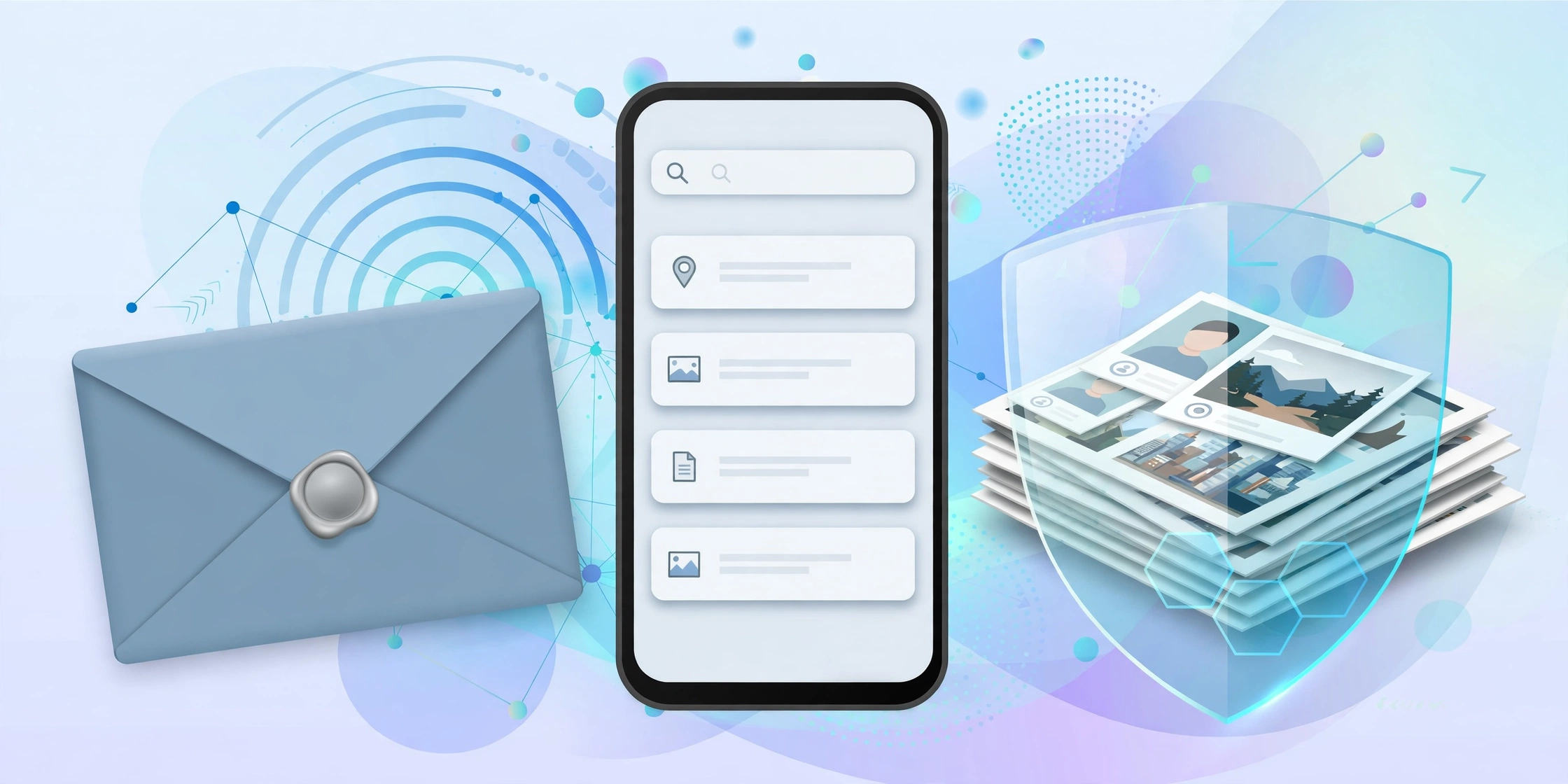
Google’s revised policy creates an exception to its longstanding commitment against using Drive, Gmail, or Photos content for personalized advertising. Under the updated terms, that restriction now applies only so long as users do not elect to share material from those products with other Google platforms that run targeted promotions. In practice, that means connecting Gmail, Drive, or Photos to AI Mode or Gemini through Personal Intelligence lets those systems use individual user context to generate better answers — and data shared with Search or Gemini then falls under those products’ policies, under which Search can process permitted personal data to personalize content, including commercial ads.
The key word in Google’s own framing is “directly.” Google says ads will not be based directly on the contents of a Gmail inbox or Photos library. What may be used are the summaries, excerpts, and inferences drawn from connected content — the same derived understanding that personalizes AI answers. Depending on user settings, Google may also serve targeted ads on properties like YouTube based on search activity and interests tied to that shared information.
What Has Google Said Has Not Changed?
Google has kept several boundaries in place, and they matter for any client conversation. Third parties running ads never receive direct access to files in Drive, Gmail, or Photos, and Google does not share identifying contact details like names or email addresses with advertisers. The company also prohibits using sensitive classifications — such as medical background, religion, sexual orientation, or race — to target commercial messages. And the whole arrangement remains opt-in at the connection level: users choose to link their apps to Personal Intelligence in the first place.
What Google has not disclosed is just as important. Reporting so far does not set out a start date for any ad changes, the ad formats involved, or how many users the exception could affect. Anyone quoting those specifics today is guessing, and your client briefings should say so.
How Can Users Opt Out?
Users who want the old arrangement back have to rebuild it themselves, one setting at a time. Google allows individuals to disconnect specific apps from the Personal Intelligence feature in Search, or to turn off personalized recommendations altogether on the Search Services Personalization settings page. One caution worth passing on: reporting notes that disconnecting an app does not necessarily erase information Google has already saved, and data stored in Search Services Personalization History may continue to influence the experience even after an app is disconnected or an original email or photo is deleted.
What Should Advertisers Do About It?
There is no new campaign type, targeting control, or reporting to buy here — so the right response is preparation, not panic:
- Brief clients with the exact wording. The story will be misreported as “Google targets ads from your emails.” The accurate version is that connected-app data, once processed by Search or Gemini, may inform ad personalization — advertisers themselves gain no access to anyone’s inbox or photos.
- Expect AI surfaces to keep monetizing. Combined with Google moving links higher in AI Mode and AI Overviews and testing ads inside AI Mode itself, the pattern is clear: AI search is being built for organic visibility and paid placement at the same time. Strategies that assume AI audiences stay ad-free are on borrowed time.
- Put first-party data and trust at the centre. As platform data practices shift under users’ feet, the brands that win are the ones with direct customer relationships and transparent data practices of their own. If your targeting depends on rented platform signals, this is a reminder of how quickly those signals can change.
- Don’t reallocate budget on a policy paragraph. No formats, timelines, or scale have been announced. Note the change, monitor it, and wait for announced controls before planning spend around it.
Final Thoughts
This update is best understood as a trust event, not just a legal footnote. Google spent years assuring users that Gmail, Drive, and Photos content would never feed personalized ads; that assurance is now conditional on whether users connect those services to its AI features. For advertisers, the practical impact today is small — no new levers, no new inventory announced. The strategic signal is larger: personal context is becoming an ad signal across Google’s AI surfaces, and the brands that explain that shift honestly to their clients will be the ones clients keep trusting. For more on how AI search is reshaping visibility, see our guide on how to get your business cited by ChatGPT and Perplexity and our coverage of Google’s AI content guidance update.
Frequently Asked Questions
Is Google using my Gmail emails to target ads?
Not directly. Google says ads are not based directly on inbox or photo contents, but summaries, excerpts, and inferences from apps you connect via Personal Intelligence may inform ad personalization.
Can advertisers see my Gmail, Drive, or Photos?
No. Advertisers never receive direct access to those files, and Google does not share identifying contact details like names or email addresses with them.
How do I stop my connected-app data from informing ads?
Disconnect the apps from Personal Intelligence in Search settings, or turn off Personalized Recommendations entirely on the Search Services Personalization settings page. Note that previously saved personalization history may not be erased by disconnecting.
When does this change take effect?
The revised policy took effect on October 16, 2026. Google has not disclosed a start date for any resulting ad changes, the formats involved, or how many users are affected.